Recycling and Sustainability for Landscaping Tufnell Park
 At Landscaping Tufnell Park, sustainability is built into the way outdoor spaces are planned, maintained, and renewed. From the first site visit to the final tidy-up, our approach to landscape recycling focuses on reducing waste, reusing suitable materials, and choosing lower-impact methods wherever possible. We work with a simple aim: to deliver attractive gardens and green spaces while keeping unnecessary material out of landfill and supporting a cleaner local environment.
One of the most important parts of our recycling commitment is a minimum recycling target of 85% for suitable green waste and recoverable site material. In practice, this means that when we remove soil, branches, hedge cuttings, turf, timber, or old planting debris, we sort items carefully so as much as possible can be diverted into reuse or recycling streams. For landscaping in Tufnell Park, that target helps shape everyday decisions, from how materials are loaded to how spoil is separated on site.
We also recognise that sustainability in North London depends on working with the local waste system, including borough-led separation of materials. Across the area, residents and trades are encouraged to keep green waste, cardboard, metals, plastics, and mixed residual waste in the right streams, and we apply the same principle to our projects. This careful separation supports Tufnell Park landscaping jobs by reducing contamination, improving recovery rates, and making sure recyclable materials have the best chance of being processed correctly.
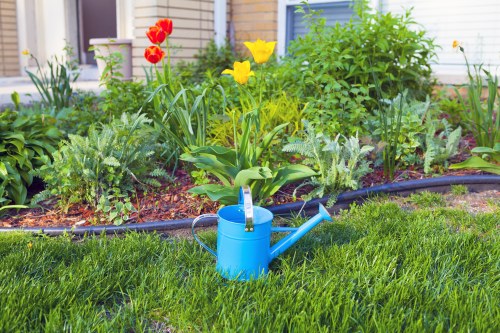 A key part of our process is using local transfer stations and authorised recycling facilities for responsible handling of site waste. By choosing nearby transfer points where possible, we help reduce haulage distances and keep the logistics of Tufnell Park landscapers more efficient. These stations can accept mixed green waste, inert material, and other recoverable loads, allowing us to channel what would otherwise be disposal into more useful recovery routes. This approach is especially valuable when projects generate a combination of soil, roots, cuttings, and small amounts of hard landscaping waste.
In addition to green waste recycling, we support selective re-use on site. For example, healthy topsoil may be screened and reused where appropriate, stone can sometimes be repurposed in sub-bases or edging, and timber elements may be separated for recycling if they are untreated. Such measures are not only practical but also reduce the demand for virgin materials. For landscaping services in Tufnell Park, this kind of material awareness is part of delivering responsible and resilient outdoor spaces.
 We also use low-carbon vans to reduce the environmental impact of transport. Modern efficient vehicles, improved route planning, and lower-idling practices help cut emissions while still allowing teams to move tools, plants, and recyclable materials safely across the borough. For a landscaping company in Tufnell Park, transport can be a major part of a project’s footprint, so reducing fuel use matters just as much as separating waste correctly.
Our sustainability work extends beyond recycling into charity partnerships and local reuse. When suitable items are removed from gardens or outdoor spaces, we look for opportunities to donate usable materials to charities, community projects, and local groups. Pots, planters, timber offcuts, intact paving pieces, and decorative items may be passed on if they still have life left in them. This not only prevents waste but also gives materials a second purpose within the wider community, which is a natural fit for eco-friendly landscaping in Tufnell Park.
We also pay attention to borough-specific waste separation habits that influence how projects are managed locally. In an area where different waste streams are handled carefully, it makes sense to keep organic waste separate from mixed rubble and to prevent recyclable loads from being contaminated by general refuse. That means sorting hedge trimmings, grass cuttings, and leaves from plastics and packaging, while also isolating aggregates and inert material where possible. These small choices help keep recycling for landscapers in Tufnell Park efficient and compliant with local expectations.
Another important sustainability measure is the reduction of single-use material wherever possible. We prefer durable storage, reusable transport crates, refillable containers, and sensible purchasing choices that cut down on unnecessary packaging. When work involves mulch, compost, or soil amendments, we aim to source from suppliers with responsible recovery practices and reduced-waste production methods. In this way, Landscaping Tufnell Park supports a greener supply chain as well as greener gardens.
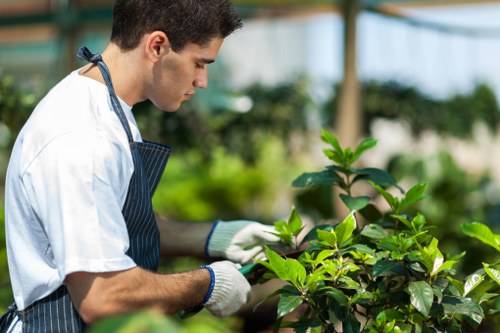 For projects that involve pruning, bed clearance, or seasonal tidy-ups, green waste is handled in a way that prioritises composting and recovery. Leaves, soft cuttings, hedge clippings, and untreated plant matter are ideal candidates for recycling because they can be turned into compost or soil improver. Where appropriate, we also separate woody material for chipping or biomass recovery. This means more of the material removed during landscaping in Tufnell Park can return to productive use instead of being treated as waste.
We believe sustainable landscaping should be visible in the details. That is why our teams are trained to recognise different waste types quickly and load them accordingly. Soil and hardcore are kept apart from green waste, metals are separated from plastics, and reusable items are identified before disposal decisions are made. This careful working method helps Tufnell Park landscapers maintain high recycling rates across a wide range of garden and grounds projects, from small courtyard refreshes to larger redevelopment clearances.
 The result is a practical, community-minded approach to sustainability that reflects the needs of the area. By aiming for an 85% recycling target, using local transfer stations, supporting charity partnerships, and operating low-carbon vans, Landscaping Tufnell Park keeps environmental responsibility at the centre of its work. Combined with local waste separation practices and smart material reuse, this helps create outdoor spaces that look good, function well, and make a lighter impact on the planet.