Garden Lighting in Tufnellpark
If you are looking for garden lighting in Tufnellpark, you may already know how much the right lighting can change the way an outdoor space feels and functions. A well-planned lighting setup can make a small courtyard feel welcoming, help a family garden work better after dark, improve safety on steps and paths, and add a polished finish to a property without making it feel overdone. In an area like Tufnellpark, where homes range from compact terraces and period conversions to larger family gardens and mixed-use premises, outdoor lighting needs to be practical, attractive, and suited to the way the space is actually used.
Whether you want subtle path lights, feature lighting for planting, wall lights for seating areas, or a more complete outdoor scheme, a local service can help you make sensible choices for layout, fittings, cabling, and controls. Because many Tufnellpark properties have limited side access, tight front boundaries, shared walkways, or mature planting already in place, a thoughtful approach matters. The aim is not just to make a garden look good at night; it is to create a safe, easy-to-use, and enjoyable outdoor space that works for your routine.
This page is for local customers who want clear information before booking a visit or requesting a quote. It explains what is included, how the process works, the main benefits of outdoor garden lighting, and the practical factors that affect design and installation in and around Tufnellpark.
Why garden lighting matters for Tufnellpark homes and businesses

Outdoor lighting is often thought of as a finishing touch, but for many properties it quickly becomes one of the most useful improvements you can make. In Tufnellpark, where gardens may be compact, shaded by neighbouring buildings, or split into different levels, lighting can define the space and make it easier to use throughout the year. A well-lit garden is more inviting in the evenings, more manageable for family use, and often more secure around entrances, gates, and access points.
Garden lighting in Tufnellpark is especially valuable where homeowners want to make the most of limited outdoor space. Many local gardens are not large enough for complex landscaping, so the clever use of light can create depth, highlight planting, and make seating areas feel separate from pathways or lawned sections. For landlords, property managers, and local businesses with outdoor terraces, forecourts, or rear access areas, the right lighting can also improve day-to-day usability and presentation.
Good lighting is not about brightening everything. It is about balance. Too much light can flatten a garden and create glare, while too little can leave steps, borders, and paths difficult to use. A local installer familiar with Tufnellpark properties can suggest a practical mix of ambient lighting, task lighting, and feature lighting so the space feels comfortable and purposeful.
Lighting ideas that suit local outdoor spaces
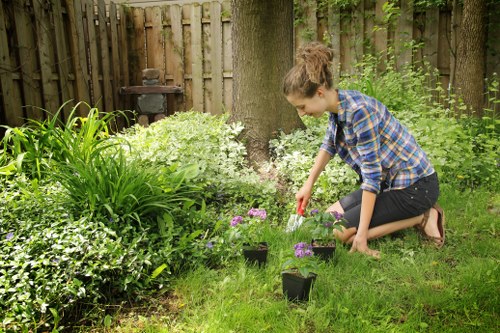
Every garden is different, and the best design depends on the shape of the space, the planting, and how you use it. In Tufnellpark, where many gardens are attached to period homes, converted flats, and townhouses, outdoor lighting often needs to be discreet and well integrated. Some customers want a barely noticeable scheme that gently lights paths and borders, while others prefer a more decorative look that enhances evening entertaining.
Popular choices for local gardens include path lighting, up lighting for trees and shrubs, wall-mounted lights, step lights, and deck or terrace lighting. Soft illumination around a patio can make outdoor dining more comfortable, while low-level lights near a driveway or entrance can improve visibility without feeling harsh. For planted gardens, carefully aimed fittings can add texture and shape after dark, bringing out the structure of hedges, climbers, and specimen plants.
In practical terms, the best outdoor lighting is usually the one you notice only when it is missing. It should support the way you move through the garden and create atmosphere without becoming the main event. That is especially true in neighbourhoods like Tufnellpark and nearby Kentish Town, Gospel Oak, and Archway, where external spaces tend to be close to neighbours and need considerate light levels.
Useful lighting styles for different areas
Here are some common options that work well in local residential and commercial settings:
- Low-level path lights for safe movement along walkways and side returns
- Wall lights for rear entrances, patios, and external seating areas
- Accent lights to highlight planting, trees, or textured brickwork
- Step lights for level changes and raised terraces
- Security-focused fittings near gates, bin stores, and access points
- Decorative string or festoon lighting for sociable outdoor areas
What a professional garden lighting service usually includes

When customers enquire about garden lighting in Tufnellpark, they often want to know what the service actually covers. A proper installation is more than fitting a few lamps. It usually begins with a discussion about the purpose of the lighting, followed by a look at the garden layout, available power sources, and any existing outdoor features that should be retained or improved.
A local service may include a site assessment, lighting design suggestions, advice on fixture placement, installation of low-voltage or mains-powered systems where suitable, connection to controls, and testing once the work is complete. Depending on the project, the installer may also help with trenching or cable routing, weatherproof connections, and careful positioning so the system blends into the garden rather than dominating it.
What matters most is suitability. A lighting scheme should be built around your garden, not forced into it. In Tufnellpark, that means respecting boundary walls, neighbouring windows, planting beds, paved courtyards, and access routes. It also means making sure maintenance remains straightforward, especially in gardens where space is tight or moving large equipment is difficult.
Typical elements included in an outdoor lighting project
- Initial discussion about goals, style, and how the garden is used
- Practical recommendations for fitting types and placement
- Cable routing planning to reduce disruption to planting and paving
- Installation of chosen fixtures and control options
- Testing, adjustment, and neat finishing
- Advice on basic care and future maintenance
For many homes, the most useful result is not simply a brighter garden, but a garden that feels easier to move through, safer to use, and better suited to evening living.
Why local knowledge matters in Tufnellpark

Working in Tufnellpark brings its own set of practical considerations. Many properties are on residential streets where parking can be limited, access may be tight, and equipment needs to be carried carefully through side passages, front paths, or shared entrances. A local team understands that these details affect both planning and delivery. It is not just about the light fittings; it is about getting the job done with minimal disruption to the property and the people who use it.
Local knowledge is also useful because outdoor spaces in this part of London can vary significantly from one house to the next. One customer may have a narrow garden behind a Victorian terrace, while another has a paved courtyard, roof terrace, or a commercial frontage that needs better visibility. Nearby areas such as Dartmouth Park, Holloway, Camden, Crouch End, and Kentish Town often present similar conditions, which means an installer experienced in the area is more likely to anticipate the kind of detail that matters.
Choosing a local company for garden lighting in Tufnellpark can save time and reduce hassle. A nearby team is usually better placed to plan around access, local parking restrictions, neighbour considerations, and the practical realities of working in a built-up urban setting. That can make the project feel smoother from the first visit to the final check.
Common local challenges a good installer should consider
- Narrow side returns and limited routes for cable runs
- Shared access or sensitive entry points
- Existing paving, decking, or mature planting that should be preserved
- Close neighbouring windows and the need to avoid light spill
- Small outdoor spaces where fittings must remain discreet
- Parking and loading constraints on residential streets
How the garden lighting process works

Most customers want a clear process before they commit to any outdoor electrical work. A straightforward approach helps you understand what will happen, what choices you need to make, and how the installation will fit around your schedule. For garden lighting in Tufnellpark, the process typically starts with an enquiry and then moves into a site visit or consultation where the space is assessed in person.
During the visit, the installer can look at the size and layout of the garden, the style of the property, the surfaces involved, and any existing electrical supply. This is the point where you can explain how you use the space. For example, you may want lights for evening meals, for children playing after school, for garden parties, or simply to make the rear entrance safer when coming home in the dark. Those details help shape the design.
After the assessment, you should receive clear recommendations on suitable fittings, placement, and controls. Once you agree the plan, the installation can be scheduled. On the day, the work is usually carried out with care to protect paving, planting, and finished surfaces. After installation, the lights are tested and adjusted so the effect is balanced and practical.
A simple step-by-step outline
- Enquiry – share the type of garden lighting you want and the areas you want to improve
- Assessment – review the space, access, and existing outdoor features
- Planning – choose fitting styles, zones, and control options
- Installation – install wiring, fixtures, and controls with care
- Testing and adjustment – make sure the system works properly and looks right
- Aftercare advice – get guidance on maintenance and future changes
For many customers, the biggest advantage of using a local installer is having someone who can translate ideas into a system that actually works in a real Tufnellpark garden.
What affects the cost of outdoor lighting work?
Pricing for garden lighting can vary because every project is different. A simple arrangement of a few wall lights will not require the same amount of work as a full garden scheme with multiple zones, buried cabling, timed controls, and decorative feature lighting. Rather than focusing on a fixed price, it is more helpful to understand the main factors that influence the final cost of the work.
Common pricing factors include the number and type of fittings, the distance cables need to run, whether existing wiring can be used, how easy the garden is to access, and whether any paving or landscaping needs to be lifted and reinstated. The finish you want also matters. A subtle low-level setup may need fewer fittings but careful placement, while a larger garden with several lighting effects may take more planning and installation time.
Garden lighting in Tufnellpark can also be affected by the age and layout of the property. Period homes may have more complex access conditions, while modern conversions or apartment gardens may require careful coordination with shared spaces. Commercial premises can involve different requirements again, especially where lighting is intended to support evening use, visitor safety, or a smarter frontage.
Typical factors discussed before a quote
- Number of fittings and lighting zones
- Size and layout of the outdoor area
- Access to the garden and electrical supply
- Need for trenching, lifting, or reinstating surfaces
- Choice of control method, such as timers or sensors
- Whether the space is residential or commercial
Request a free quote if you want a clearer idea of what your own project is likely to involve. A site-specific discussion is the best way to understand the options.
Why choose a local company for garden lighting in Tufnellpark?
A local specialist is often easier to work with because they understand the area, the property types, and the small but important details that affect outdoor electrical projects. In a neighbourhood like Tufnellpark, that can mean a better fit between the lighting design and the real conditions on site. It can also mean more practical scheduling, smoother access planning, and clearer expectations about what is involved.
Local customers often prefer a team that can work across nearby districts such as Highgate, Archway, Kentish Town, Holloway, Dartmouth Park, and Gospel Oak. These areas share many of the same housing styles and access challenges, so the experience carries over. If you are in a rear garden, a front courtyard, a basement extension with an outdoor area, or a commercial yard, a nearby installer is more likely to be familiar with the kind of setup you have.
Choosing local also makes communication easier. If you want to adjust the scheme, add extra lights later, or discuss maintenance, it helps to work with someone who already understands the layout of your property and the surrounding streets. That can be especially useful for larger homes, managed properties, or businesses that may want phased improvements over time.
Good reasons customers choose a nearby installer
- Better understanding of local property layouts
- More practical planning around access and parking
- Reduced disruption during installation
- Advice shaped by real local conditions
- Easier follow-up if you later want to add more lighting
Residential and commercial garden lighting
Although many enquiries come from homeowners, garden lighting is also useful for landlords, managing agents, hospitality venues, offices, and small businesses with outdoor space. In Tufnellpark, a commercial frontage or shared external area often needs a different approach from a private family garden. The lighting should support safety, appearance, and practicality without looking out of place.
For residential properties, the focus is often on comfort and atmosphere. Families may want lights that make the garden usable for dining, relaxation, or children’s play. For commercial spaces, the priorities can include visibility, presentation, and a tidy appearance after dark. A rear yard, terrace, or entrance can benefit from subtle but effective lighting that helps visitors and staff move around confidently.
In both cases, the best results usually come from a design that respects the building, the garden layout, and the way the area is used at night. That is why a local service can be valuable: it can adapt the lighting plan to practical real-world needs instead of using a one-size-fits-all approach.
Examples of spaces that may benefit from outdoor lighting
- Rear gardens behind terraced homes
- Courtyards attached to flats and conversions
- Patios and decked seating areas
- Front gardens and entrance paths
- Shared access routes and side returns
- Commercial outdoor areas, terraces, and service yards
Preparation checklist before your installation
Before your lighting work begins, a little preparation can help things run smoothly. You do not need to clear the entire garden or make major changes, but some simple steps can make access easier and help the installer work efficiently. This is especially useful in Tufnellpark, where outdoor spaces may be narrow, layered, or already well planted.
Preparation is mostly about access and clarity. The more the installer understands about the way you use the garden, the more likely the finished scheme will suit your needs. If there are areas you definitely want lit, and others you would rather keep darker, it helps to identify them early.
Before the visit or installation, consider the following:
- Clear access paths where possible
- Point out any fragile planting, surfaces, or features to protect
- Decide which areas need task lighting and which should stay low-lit
- Think about how you use the garden in the evening
- Check whether you want simple controls or a more flexible setup
- Let the installer know about any access limits or timed entry requirements
Design choices that improve comfort and atmosphere
Outdoor lighting works best when it is layered. Instead of relying on one bright fitting, a layered scheme uses several kinds of light to create depth and flexibility. This is particularly effective in Tufnellpark gardens, where space is often limited and the lighting needs to do more than one job at once. For example, a path light can support safety, while a soft wall light adds ambience, and a feature light draws attention to a tree or architectural detail.
Warm light tends to feel more inviting in domestic gardens. It is often better suited to relaxation and social use than a stark, cool light. However, the right colour temperature depends on the look you want and the overall design of the property. A local installer can help you balance style with practical visibility so the result feels comfortable rather than clinical.
Controls are also worth thinking about. Timers, dusk sensors, and zone-based switching can make the system easier to use. If you want to sit outside after dark, you may prefer separate control of seating-area lighting and path lighting. If the garden is mainly decorative, you may prefer a simple setup that turns on automatically in the evening.
Features worth considering
- Timed controls for convenience
- Dusk sensors for automatic operation
- Separate zones for front, rear, and feature areas
- Low-glare fittings for neighbour-friendly lighting
- Weather-resistant components suited to outdoor use
Areas covered around Tufnellpark
Customers looking for garden lighting in Tufnellpark are often also nearby in surrounding parts of North London. A local service can usually cover a practical radius that includes residential streets and nearby commercial addresses in the area. This is useful for anyone comparing options across adjoining neighbourhoods or planning improvements to several properties.
Nearby locations commonly include Kentish Town, Dartmouth Park, Archway, Gospel Oak, Holloway, and parts of Crouch End and Highgate. The same careful approach to access, property type, and outdoor layout often applies across these areas, especially where gardens are compact or properties are close together.
If you are unsure whether your property is within the usual service area, the simplest option is to make an enquiry and describe the location and type of garden. A local team can then confirm whether the work is suitable and what the visit would involve.
Frequently asked questions
Can garden lighting be added to an existing garden without major disruption?
Yes, in many cases it can. The amount of disruption depends on your current layout, the surfaces involved, and where the power needs to run. Some schemes can be installed with minimal impact, while others may require more careful routing or lifting of sections of paving. A site visit is the best way to understand this.
Do I need a large garden to make outdoor lighting worthwhile?
No. In fact, smaller gardens often benefit greatly from well-planned lighting because it can make the space feel more usable and better defined. Courtyards, terraces, and compact rear gardens can all be improved with the right approach.
What kind of lighting works best near neighbours?
Low-glare, carefully directed fittings are usually best in built-up areas like Tufnellpark. The goal is to light your own space without causing unnecessary spill or brightness next door. A local installer should take this into account when planning the layout.
Can the lighting be controlled in different zones?
Often, yes. Zoned control is useful if you want different parts of the garden to come on separately. This can be especially helpful for a patio, a path, and a planting area that each serve different purposes.
Is outdoor lighting suitable for front gardens as well as rear gardens?
Absolutely. Front gardens, entrances, and side access routes often benefit from lighting just as much as rear outdoor spaces. In some homes, a well-lit front path or boundary can improve both safety and presentation.
How do I know what type of lighting I need?
Start by thinking about how you use the garden. If you want to dine outdoors, focus on seating-area lighting. If you need better movement after dark, think about paths and steps. If you want atmosphere, feature lighting may be the priority. A professional assessment can help you combine these needs sensibly.
Book your garden lighting project
If you are ready to improve your outdoor space, now is a good time to arrange a visit and discuss the options. A well-planned lighting scheme can make your garden safer, more attractive, and more useful throughout the evening. For local homeowners, landlords, and businesses, garden lighting in Tufnellpark is a practical upgrade that can make a real difference to how a property feels after dark.
Whether you want subtle pathway lights, feature lighting for planting, or a more complete outdoor lighting arrangement, a local service can help you choose the right approach for your property. Contact us today to discuss your plans, request a free quote, and take the next step toward a better-lit outdoor space.
Book your service now if you want to make better use of your garden, improve visibility, and create a space that works well in the evenings as well as during the day.