Landscaping Tufnellpark: Creating Beautiful Outdoor Spaces That Suit Local Homes
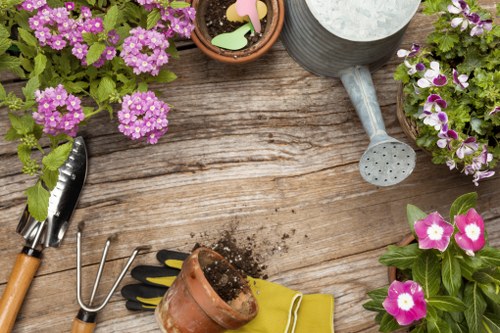 Landscaping Tufnellpark is about more than planting a few shrubs or cutting a lawn into shape. In a place like Tufnell Park, where period homes, compact gardens, terrace plots, and contemporary extensions often sit side by side, outdoor design needs to be thoughtful, practical, and visually balanced. A well-planned garden can add calm, character, and usable space to a property while reflecting the lifestyle of the people who live there. Whether the goal is a low-maintenance front garden, a family-friendly rear patio, or a layered planting scheme that looks attractive all year, landscaping in Tufnellpark offers many ways to improve both the appearance and function of a home.
The local character of Tufnell Park plays a major role in shaping landscaping choices. The area is known for its elegant architecture, tree-lined streets, and a blend of classic and modern residential styles. That means outdoor spaces need to complement the surroundings rather than compete with them. A successful garden design often uses natural materials, subtle planting palettes, and clever spatial planning. In smaller outdoor areas, every metre matters, so the right layout can make a compact garden feel larger, more inviting, and more useful. Thoughtful landscaping Tufnellpark homes often rely on a combination of hard landscaping, soft planting, and smart zoning to achieve a refined finish.
Another reason landscaping is so valuable in Tufnell Park is the way it supports everyday living. Many homeowners want gardens that can be used for relaxing, entertaining, children’s play, or simply enjoying a bit of greenery after a busy day. Good garden design can bring these needs together without making the space feel crowded. With the right balance of surfaces, planting, lighting, and structure, even a modest garden can feel open and purposeful. For anyone seeking landscape design in Tufnellpark, the key is to create a space that looks attractive while still working hard for daily life.
Why Landscaping Matters in Tufnell Park
Outdoor spaces in urban neighbourhoods often have to do more than their size suggests. In Tufnell Park, many gardens are shaped by narrow footprints, changing levels, shared boundaries, or the presence of mature trees. These features can be challenging, but they also create opportunities for creative design. A skilled approach to Landscaping Tufnellpark takes the existing structure of the space and enhances it rather than trying to force a one-size-fits-all solution. This is especially important when the garden is part of a historic street scene or attached to a property with architectural character.
Good landscaping can improve how a garden feels throughout the year. In spring, layered planting and fresh textures create energy and colour. In summer, shaded seating and leafy borders make the space pleasant to use. During autumn and winter, evergreen structure, bark, grasses, and hard landscaping provide interest when flowers are limited. A garden that looks good across the seasons has a much stronger impact than one that only performs at one time of year. This is one reason many homeowners value landscaping services in Tufnellpark that focus on long-term design rather than quick cosmetic changes.
There is also a practical side to landscape improvements. Well-designed drainage, durable paving, secure boundaries, and accessible routes all contribute to comfort and usability. In urban gardens, water runoff, shaded zones, and soil quality can all affect what will thrive. By addressing these issues from the start, landscaping creates a more resilient space that is easier to maintain. The best landscaping Tufnellpark projects combine beauty with functionality, allowing the garden to support everyday needs without looking overly engineered.
Designing Gardens That Reflect the Area
 Tufnell Park has a distinct identity, and the best garden designs respect that identity. Many local properties benefit from outdoor spaces that feel elegant, calm, and understated. Rather than filling a garden with too many competing features, a strong design usually focuses on proportion, flow, and material choice. Stone paving, timber elements, handmade brick, and natural planting can all work well in this setting. These materials often suit the architecture of the area and help gardens feel connected to the home. Landscape gardening Tufnellpark often succeeds when it blends soft planting with clean, structured lines.
Front gardens are especially important in this area because they contribute to the overall street view. Even a small front space can be transformed with low hedging, neat path layouts, and planting that frames the entrance without blocking it. A front garden that is tidy but not sterile can create a welcoming first impression. For many homeowners, improving the front boundary is one of the simplest ways to lift the whole property. Landscaping in Tufnellpark often includes subtle improvements such as gravel beds, perennial borders, and attractive railings or fences that suit the character of the street.
Rear gardens, meanwhile, are often designed as private retreats. In a busy urban setting, a quiet outdoor room can be a welcome escape. Whether the space is used for dining, reading, or family gatherings, the design should encourage people to spend time outside. Comfortable seating areas, layered planting for privacy, and surfaces that feel pleasant underfoot all make a difference. A well-executed Landscaping Tufnellpark project can turn a plain yard into a personal sanctuary that feels connected to the home and the local environment.
Hard Landscaping and Soft Landscaping Working Together
The most successful gardens usually combine hard landscaping and soft landscaping in a balanced way. Hard landscaping includes features such as paving, steps, walls, edging, raised beds, fencing, pergolas, and built-in seating. Soft landscaping includes plants, trees, lawns, shrubs, ground cover, and seasonal flowers. Both are important, and neither should dominate completely. In Tufnell Park, where gardens may be relatively small or irregularly shaped, a careful mix of the two can create clarity and depth. Landscaping Tufnellpark often depends on this balance to keep the space practical while still feeling alive and welcoming.
Hard landscaping provides the framework. It defines where people walk, where they sit, and how different parts of the garden connect. Choosing the right materials is essential because they set the tone of the whole space. Warm-toned brick can echo the area’s traditional houses, while sleek porcelain or natural stone can suit a more contemporary extension. Timber can soften the look and add warmth. These choices should not be made only for appearance; they should also reflect durability, maintenance requirements, and how the garden will be used. Landscape gardening in Tufnellpark often benefits from timeless materials that age gracefully.
Soft landscaping brings movement, colour, and seasonal change. Plants can define borders, soften walls, add scent, attract wildlife, and create privacy. In a compact garden, planting choices need to be carefully layered so that the space does not feel cluttered. Taller plants can hide boundaries, medium shrubs can create mass, and low plants can connect paved areas to the rest of the scheme. When soft and hard elements are designed together from the beginning, the result is a garden that feels complete. That is one of the strengths of thoughtful landscaping in Tufnellpark: it makes every part of the space work in harmony.
Planting Ideas That Work Well in Tufnell Park
Plant selection is one of the most important parts of garden design. The right plants make a garden feel vibrant, layered, and resilient. In Tufnell Park, where space can be limited and conditions may vary from sunny to shaded, planting needs to be chosen with care. A good planting scheme usually combines structure with softness. Evergreen shrubs provide year-round shape, while perennials and grasses add movement and seasonal variation. Trees, if there is room for them, can create height, privacy, and a sense of maturity. Landscaping Tufnellpark often uses planting to bring life to compact spaces without overwhelming them.
Shadier gardens are common in built-up neighbourhoods, so it helps to choose plants that can thrive without full sun. Ferns, hellebores, hostas, hydrangeas, and certain woodland-style species can perform beautifully in partially shaded conditions. In brighter gardens, Mediterranean-inspired planting, ornamental grasses, and flowering perennials may work well. The aim is not simply to fill space but to create a planting scheme that feels layered and intentional. Landscape design Tufnellpark often looks its best when there is a clear rhythm between bold shapes and finer textures.
Seasonal interest also matters. A garden should have something rewarding to offer in every month, even when flowers are not at their peak. Seed heads, bark, evergreen leaves, winter stems, and changing foliage all contribute to a richer experience. Fragrance can also make a garden more memorable. Plants such as lavender, rosemary, jasmine, and certain roses can add a sensory layer that enhances daily use. Well-chosen planting ensures that landscaping in Tufnellpark does more than decorate a space; it creates an atmosphere.
Small Garden Landscaping with Big Impact
Many gardens in Tufnell Park are not large, but that does not mean they cannot be impressive. In fact, smaller spaces often benefit from more focused design because every detail has a stronger effect. A compact garden can feel larger by using simple lines, repeated materials, and clever visual tricks. For example, running paving in one direction can guide the eye and create a sense of length. Keeping planting consistent rather than overly varied can make the space feel calmer. Landscaping Tufnellpark is especially effective when it transforms limitations into a sense of intimacy and style.
Zoning is an important strategy in small gardens. Even a modest outdoor space can contain distinct areas for dining, planting, storage, and relaxation. The trick is to keep the transitions smooth so that the garden still feels open. Built-in seating, raised planters, and subtle level changes can help define separate functions without adding clutter. Mirrors, reflective surfaces, and lighter materials can also make the garden appear more spacious. Landscaping Tufnellpark homes often benefits from this kind of thoughtful spatial planning because it increases usable space without expanding the footprint.
Vertical space is another valuable tool. Walls, fences, and trellises can be used to support climbing plants, create privacy, and add height without taking up ground area. Espaliered trees, wall-trained jasmine, and clematis can all make a small garden feel more established. Lighting can also enhance vertical interest after dark, highlighting trees, walls, and planting layers. A well-lit garden becomes usable for longer and feels more inviting in the evening. These approaches show how landscape gardening in Tufnellpark can produce a polished result even in compact settings.
Privacy, Shelter, and Comfort Outdoors
 Privacy is often one of the biggest concerns in urban gardens. In Tufnell Park, outdoor spaces may be overlooked by neighbouring properties or feel exposed to foot traffic and street views. Landscaping can address this in subtle and attractive ways. Tall planting, screens, pergolas, and well-positioned trees can all create a greater sense of seclusion. Instead of relying only on tall fences, a layered approach often feels softer and more natural. Landscaping Tufnellpark is most effective when it creates comfort without making the garden feel closed in.
Shelter matters too. A garden that is windy or overly exposed may not get used as much as one with calmer microclimates. Strategic planting and structural elements can make a big difference. Hedges can break up gusts, trellis panels can diffuse wind, and pergolas can provide partial overhead cover. These features help create outdoor rooms that feel comfortable in a wider range of weather conditions. In an area where homes are closely spaced, this sense of shelter can turn a garden into a genuinely usable extension of the living space. Landscaping Tufnellpark should always consider how the garden feels in real life, not just how it looks on paper.
Comfort also includes how the garden is experienced at different times of day. Some areas may be best for morning coffee, while others might be more suitable for evening gathering. Sun paths, shade patterns, and privacy lines all influence placement of seating and planting. A thoughtful design anticipates these patterns and creates a garden that feels usable throughout the day. By balancing openness and enclosure, landscape design in Tufnellpark can produce an outdoor environment that feels peaceful, protected, and inviting.
Low-Maintenance Landscaping for Busy Lifestyles
Many homeowners want outdoor spaces that look good without demanding constant attention. Low-maintenance landscaping is not about removing beauty; it is about choosing elements that stay attractive with manageable care. In Tufnell Park, where many residents lead busy lives, this can be especially valuable. Durable paving, robust planting, automated irrigation, and well-chosen evergreen structure all help reduce upkeep. Landscaping in Tufnellpark can be designed to save time while still offering a rich and enjoyable garden experience.
Plant choice plays a major role in maintenance levels. Plants that match the light, soil, and moisture conditions of the site will generally need less intervention than those that struggle in their environment. Grouping plants with similar needs also makes care more straightforward. Mulching borders, reducing unnecessary lawn area, and using ground cover can all help suppress weeds and keep moisture in the soil. These are practical choices, but they also improve the overall appearance of the garden. A tidy, coherent design often feels more luxurious than one that appears busy or difficult to manage. Landscape gardening Tufnellpark often benefits from this simple, efficient approach.
Low-maintenance does not have to mean plain. There are many ways to create visual interest without creating extra work. Repeated forms, strong edging, ornamental grasses, and a limited but refined plant palette can give a garden a clean and elegant look. Textures can be just as compelling as bright colour. A mix of leaves, bark, stone, and timber can create depth with very little effort. For homeowners seeking a practical yet attractive result, Landscaping Tufnellpark can deliver style and simplicity together.
Water, Drainage, and Long-Term Garden Health
Healthy gardens depend on more than design. Water movement, soil condition, and drainage all influence how well a landscape performs over time. In urban areas like Tufnell Park, hard surfaces and changing ground conditions can create challenges with runoff or pooling water. A good landscaping plan takes these issues seriously from the outset. Correctly graded surfaces, permeable materials, and appropriate planting all help support a healthy outdoor environment. Landscaping Tufnellpark should be as resilient as it is attractive.
Soil quality is another important factor. Some gardens may have compacted soil, mixed rubble, or shallow top layers that limit plant growth. Improving the soil structure with compost, organic matter, and proper planting techniques can make a significant difference. Raised beds may also be useful where ground conditions are less than ideal. These practical improvements often go unnoticed once the garden is established, but they are what allow the landscape to flourish over the long term. Landscape design in Tufnellpark works best when it respects the hidden systems that keep plants healthy.
Drainage solutions can also be integrated into the design so they do not dominate the appearance of the garden. Gravel channels, French drains, permeable paving, and rain-absorbing planting beds can all help manage excess water discreetly. Where appropriate, rainwater harvesting or water storage can be useful for irrigation. This kind of thoughtful planning supports sustainability as well as appearance. It shows that landscaping in Tufnellpark is not only about what people see, but also about how the garden functions beneath the surface.
Combining Style, Structure, and Everyday Use
One of the defining strengths of great garden design is its ability to support real life without losing visual appeal. A garden should not feel like a display that cannot be touched or used. In Tufnell Park, outdoor spaces are often asked to serve multiple roles: entertaining, relaxing, storing items, supporting children or pets, and adding value to the home. This is why structure matters so much. Clear pathways, purposeful seating, durable materials, and sensible transitions all make the garden easier to live with. Landscaping Tufnellpark should make outdoor life simpler, not more complicated.
At the same time, a garden should still feel inspiring. The most memorable spaces often have a strong visual identity, whether through planting style, colour palette, or architectural detail. A carefully placed tree, a beautiful wall finish, a simple water feature, or a restrained but elegant border can all elevate the whole space. The best designs tend to avoid unnecessary clutter and instead focus on a few strong ideas executed well. This is especially effective in locations with architectural character, where the garden can echo the quality of the house itself. Landscape gardening Tufnellpark often succeeds when it is both disciplined and imaginative.
Personal taste matters too. Some homeowners prefer a classic and formal look, while others want something relaxed and naturalistic. A good design can adapt to either approach as long as it suits the property and the space. What matters most is coherence. When materials, planting, and layout all speak the same visual language, the result feels calm and complete. This is the essence of landscaping in Tufnellpark: creating a garden that feels like it truly belongs there.
Creating a Lasting Outdoor Setting in Tufnell Park
Landscaping is not only about immediate impact; it is also about how a garden matures over time. Plants grow, surfaces weather, and the needs of a household change. Good design anticipates this and builds in flexibility. Space for plants to expand, routes that remain clear, and materials that age well all contribute to long-term success. In Tufnell Park, where homes often have character and continuity, a garden should develop gracefully rather than needing constant reinvention. Landscaping Tufnellpark should create a setting that improves with age.
Long-term value also comes from making the garden feel integrated with the property. A rear terrace that flows naturally from the house, a front path that complements the entrance, and planting that frames views all help connect indoor and outdoor living. This sense of continuity makes a home feel larger and more cohesive. When the landscape is designed with care, it becomes part of the daily experience of the property rather than a separate exterior zone. That is one reason landscape design Tufnellpark can be such a worthwhile investment in both comfort and appearance.
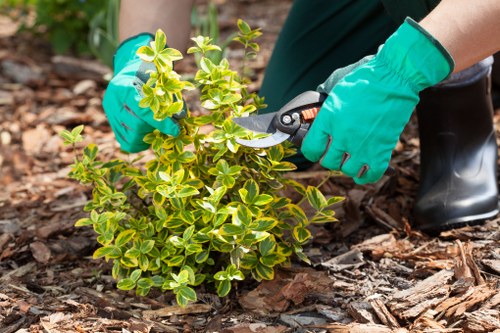 A garden that is beautiful, functional, and suited to its surroundings has a lasting quality that goes beyond trends. Whether the space is used quietly or actively, it can provide a sense of order, freshness, and retreat. The best results often come from simple ideas carried through with precision: balanced planting, durable materials, and thoughtful use of space. In an area as distinctive as Tufnell Park, this approach feels especially appropriate. It allows the garden to support modern living while still respecting the charm of the neighbourhood.
Why Thoughtful Landscaping Makes Such a Difference
Landscaping Tufnellpark is ultimately about unlocking the potential of outdoor space. Even a garden that seems awkward, narrow, shaded, or overlooked can become a place that feels welcoming and useful. The transformation usually comes from understanding the site, choosing the right materials, and designing with both beauty and practicality in mind. The result is a garden that adds daily enjoyment, visual appeal, and a stronger sense of home. Landscaping Tufnellpark is not simply decoration; it is a way of shaping how people live.
For homeowners who appreciate quality, a well-designed garden offers more than seasonal colour. It creates atmosphere, supports routines, and provides a calm backdrop for life. Whether the style is formal, modern, relaxed, or plant-led, the most successful gardens feel intentional and easy to use. They respond to the needs of the property and the people in it. Landscape gardening in Tufnellpark can therefore be seen as both a creative process and a practical improvement.
Over time, a thoughtfully landscaped garden becomes part of the identity of the home. It frames first impressions, supports everyday comfort, and offers a private place to unwind. With the right planning, even the smallest outdoor area can become something memorable. That is the true value of landscaping in Tufnellpark: turning ordinary ground into a space that feels considered, enduring, and genuinely enjoyable.
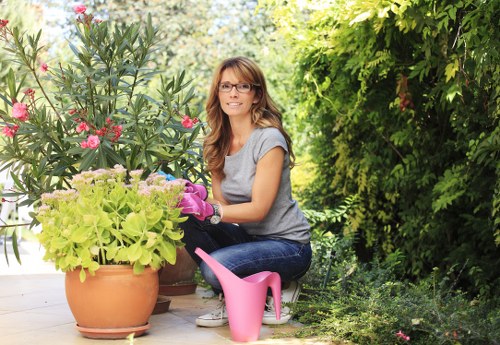 In the end, successful Landscaping Tufnellpark blends local character, smart planning, and lasting quality. It respects the architecture of the area, adapts to the realities of urban gardens, and creates outdoor spaces that feel both attractive and usable. From planting schemes and paving to privacy, drainage, and seasonal interest, every element plays a part. When these details come together well, the garden becomes a natural extension of the home, offering beauty, comfort, and value throughout the year.